We work with businesses that want clarity, performance, and measurable results. Reach out and let’s explore how a data-driven digital strategy can turn your marketing into a growth engine.
📩 Email: carmenovalle@impactmarketing1.com
📞 Phone: +1 (470) 390-1739
📍 Atlanta, Georgia – United States
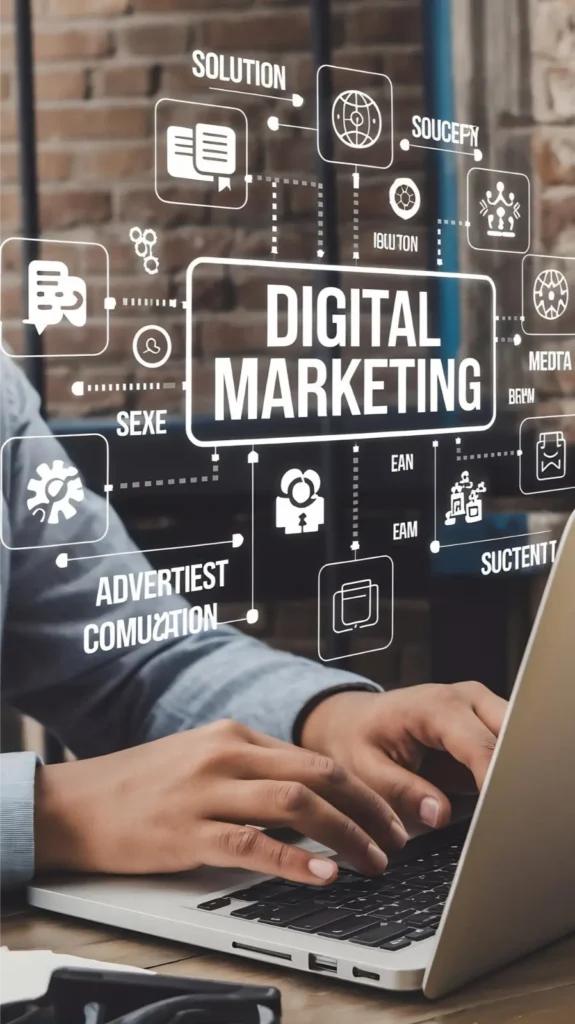
Digital Marketing refers to all marketing efforts that use digital channels to promote products or services and connect with potential customers online. This includes channels such as search engines, social media platforms, email, websites, mobile apps, and online advertising. Unlike traditional marketing, digital marketing allows brands to reach highly targeted audiences and interact with them in real time.
One of the biggest advantages of digital marketing is its ability to measure performance accurately. Businesses can track user behavior, engagement, conversions, and return on investment (ROI) using analytics tools. This data-driven approach makes it easier to optimize campaigns and focus resources on strategies that deliver the best results.
Choosing the right digital marketing agency starts with clearly defining your business goals. Look for an agency that understands your industry, has proven experience, and offers customized strategies rather than one-size-fits-all solutions. Reviewing case studies, client testimonials, and real performance results can give you valuable insight into the agency’s capabilities.
It’s also important to evaluate transparency and communication. A reliable agency should explain their strategies clearly, provide regular performance reports, and focus on measurable outcomes. The best agencies act as strategic partners, aligning their efforts with your long-term business growth rather than just short-term wins.
Choosing the right digital marketing agency starts with clearly defining your business goals. Look for an agency that understands your industry, has proven experience, and offers customized strategies rather than one-size-fits-all solutions. Reviewing case studies, client testimonials, and real performance results can give you valuable insight into the agency’s capabilities.
It’s also important to evaluate transparency and communication. A reliable agency should explain their strategies clearly, provide regular performance reports, and focus on measurable outcomes. The best agencies act as strategic partners, aligning their efforts with your long-term business growth rather than just short-term wins.
The timeline for seeing results from a digital marketing strategy depends on the channels being used and the competitiveness of your market. Paid advertising campaigns, such as Google Ads or social media ads, can generate traffic and leads within days or weeks. However, strategies like SEO and content marketing usually take several months to show consistent results.
Digital marketing is a long-term investment. While early improvements may be visible quickly, sustainable growth typically comes from ongoing optimization, data analysis, and strategic adjustments. Businesses that commit to consistent efforts often see stronger and more predictable results over time.
Digital marketing results are measured using key performance indicators (KPIs) that align with your business objectives. These may include website traffic, conversion rates, lead generation, cost per acquisition, engagement metrics, and overall return on investment. Analytics tools allow us to monitor performance in real time and make data-backed decisions.
Beyond numbers, we also analyze user behavior and customer journeys to understand how audiences interact with your brand. This holistic approach ensures that strategies are not only driving traffic, but also generating meaningful engagement and real business growth.
Digital marketing offers businesses the ability to reach a global audience while maintaining precise targeting. Brands can focus on specific demographics, interests, locations, and behaviors, ensuring that marketing messages reach the right people at the right time. This level of personalization significantly increases efficiency compared to traditional marketing.
Another major benefit is scalability and flexibility. Campaigns can be adjusted quickly based on performance data, allowing businesses to optimize budgets and maximize results. Digital marketing also provides measurable insights, helping brands make smarter decisions and continuously improve their strategies.
Inbound Marketing is a strategy focused on attracting customers through valuable content and meaningful experiences rather than interruptive advertising. It involves creating content that educates, informs, and solves problems for your target audience, guiding them naturally through the buyer’s journey.
This approach builds trust and long-term relationships with potential customers. By aligning content with user needs at each stage of the funnel, inbound marketing helps generate qualified leads and improve conversion rates while strengthening brand credibility.
A 360 Digital Strategy is a comprehensive approach that integrates multiple digital marketing channels into a single, cohesive plan. This includes SEO, paid advertising, social media, content marketing, email marketing, analytics, and conversion optimization, all working together to achieve business goals.
By connecting every digital touchpoint, a 360 strategy ensures consistent messaging and a seamless customer experience. This holistic approach improves brand visibility, increases efficiency, and allows businesses to guide users smoothly from awareness to conversion and retention.
SEO (Search Engine Optimization) is the process of improving a website’s visibility in organic search engine results. It involves optimizing technical elements, content quality, and authority signals to help search engines understand and rank your website for relevant keywords.
Effective SEO increases long-term, high-quality traffic and builds credibility with users. Unlike paid ads, SEO focuses on sustainable growth by positioning your brand as a trusted resource, making it a critical component of any digital marketing strategy.
The cost of hiring a digital marketing agency varies depending on the scope of services, project complexity, and business goals. Some agencies offer monthly retainers, while others work with project-based pricing or performance-based models. Factors such as advertising budgets, competition, and required expertise also influence pricing.
Rather than focusing solely on cost, businesses should evaluate the value and potential return on investment. A well-structured digital strategy can generate significant revenue growth, making professional digital marketing services a strategic investment rather than an expense.
A marketing agency helps businesses grow by developing, executing, and optimizing marketing strategies across multiple channels. This includes market research, branding, advertising campaigns, content creation, lead generation, and performance analysis.
Agencies combine strategic planning with creative execution and data analysis. Their goal is to attract the right audience, convert prospects into customers, and improve brand positioning while continuously optimizing results based on real data.
A digital marketing agency can be highly profitable when it delivers consistent results and builds long-term client relationships. Profitability depends on service specialization, operational efficiency, pricing models, and the ability to demonstrate measurable value to clients.
As businesses increasingly shift their budgets to digital channels, demand for professional digital marketing services continues to grow. Agencies that focus on performance, transparency, and innovation are well-positioned for sustainable profitability.
A marketing agency can offer a wide range of services, including SEO, paid advertising, social media management, content marketing, email marketing, conversion rate optimization, web development, and analytics. These services can be provided individually or as part of an integrated strategy.
By combining multiple services, agencies help businesses build a strong digital presence and achieve consistent growth. The most effective agencies tailor their services to each client’s goals, ensuring that every action supports measurable business outcomes.